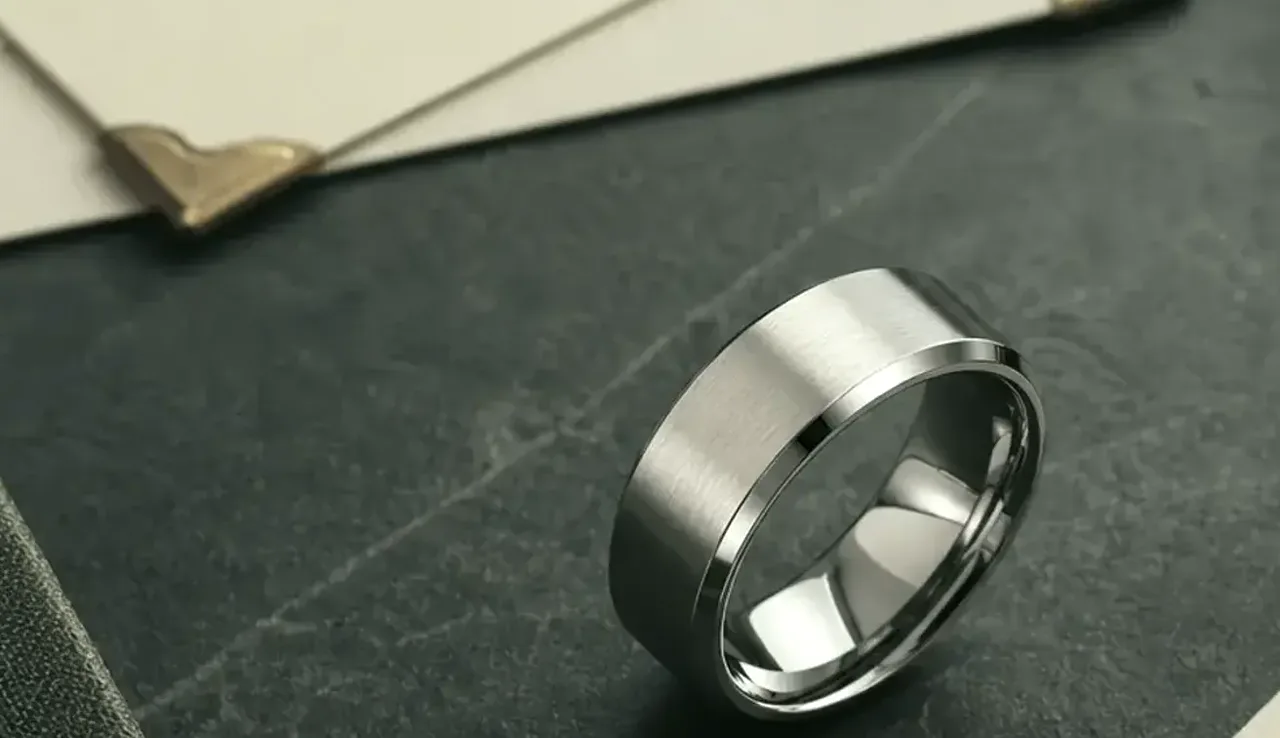

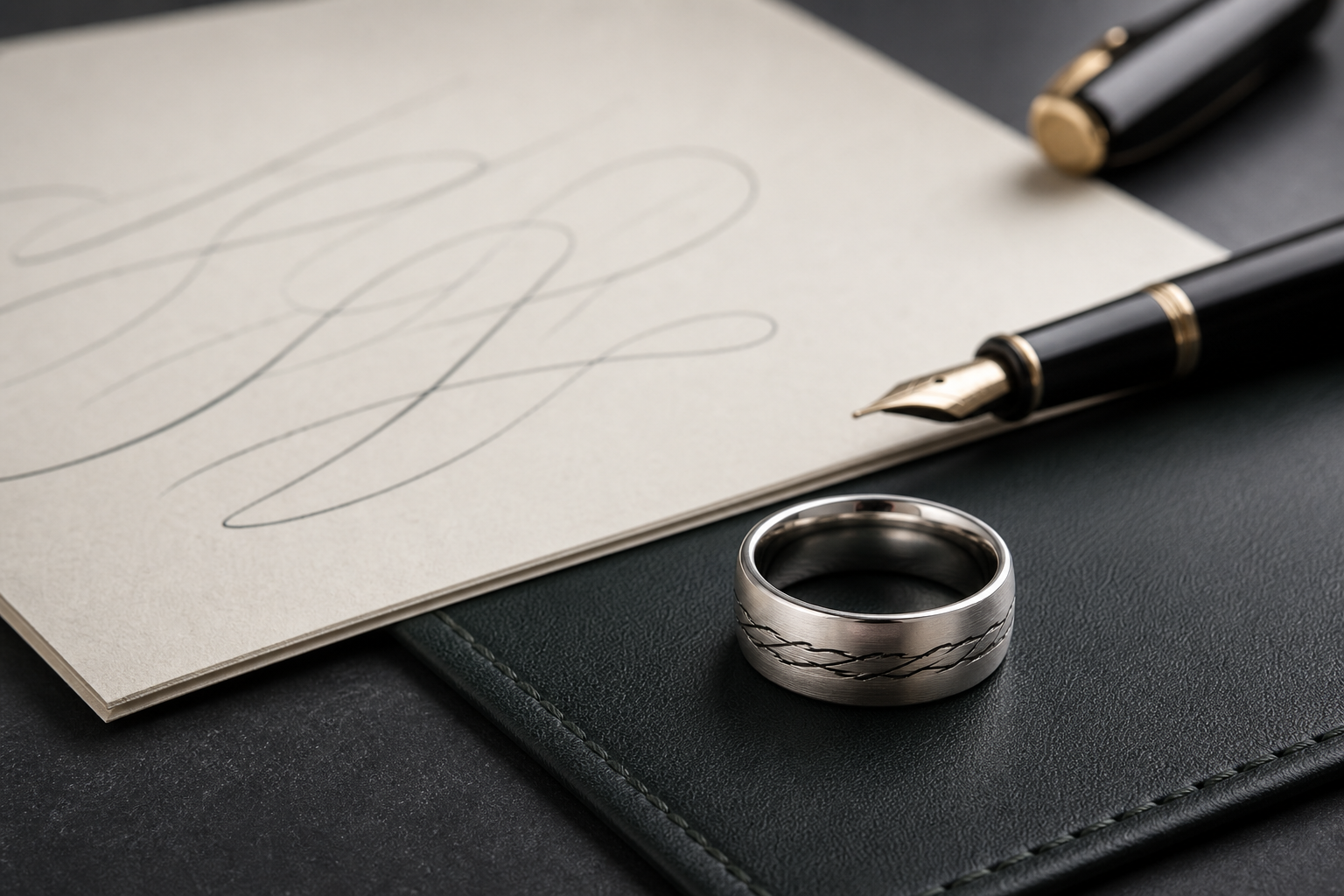
Early pregnancy loss ring symbols need more tenderness than ordinary memorial symbols. The ring may need to honor a real baby, a short pregnancy, a private hope, and a grief many people never saw.
Start with the level of privacy the wearer wants. A visible date or name may feel right for one family, while another may prefer a tiny flower, star, initial, or inside line that no one else notices.
Birth flowers can work when there is a month the family connects to the pregnancy. If the month feels uncertain or painful, use a simple flower mark without forcing a calendar meaning.
Stars, tiny hearts, seed shapes, butterflies, small crosses, and initials can all be appropriate when they are used with restraint. One small symbol usually feels kinder than a cluster of memorial icons.
Dates deserve care. Some families use the due date, discovery date, loss date, or only a year. Others leave dates off because the symbol is meant to hold love, not a medical timeline.
If the baby had a name or nickname, decide whether it belongs outside or inside. A private inside engraving can protect the name while still making the ring feel complete.
Avoid language that tries to justify the grief. The ring does not need to prove that the loss mattered; it only needs to give the wearer one truthful place to carry it.
For a gift, do not guess at symbols tied to faith, naming, dates, or pregnancy details. Ask gently or offer a design draft that the recipient can change.
The best symbol is the one that lets the wearer breathe when they see it. If a symbol makes the ring feel performative or too public, choose something quieter.
Bring the preferred privacy level, possible date, name or initials, one gentle symbol, and any faith preference into the Friends of Irony designer.